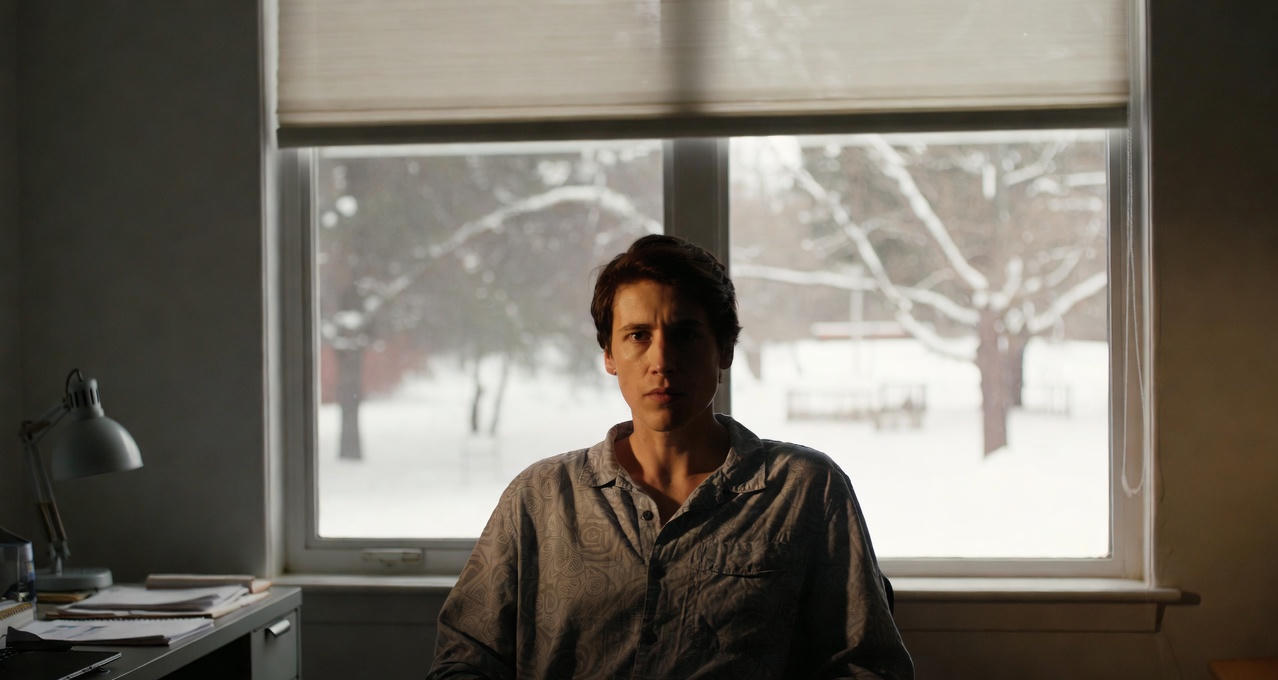
Everyone experiences times when their mood drops and they feel emotionally low. As cold weather arrives and days grow shorter, many people struggle with feelings of apathy and decreased energy. For some, seasonal affective disorder (SAD) becomes a serious problem. This condition is characterized by recurring episodes of depression at specific times of the year. Understanding the difference between mild winter blues and clinical SAD is essential for getting the right help.


Depression symptoms include persistent low mood, severe fatigue, and sleep disturbances. Many people also experience increased appetite and weight gain. Taking preventive measures can help reduce these symptoms and improve overall well-being. Winter depression can negatively impact every aspect of life. However, effective treatment helps maintain emotional stability even during the coldest months. Exploring different treatment options is key to preserving your energy and mood.
What Is Seasonal Affective Disorder and Who Does It Affect
Seasonal affective disorder is a form of depression that returns each year, most commonly during fall or winter. Episodes bring persistent low mood and other challenging symptoms. For professional help, consider reaching out to StartMyWellness. Our team of experienced professionals can help you manage seasonal disorder. Doctors will recommend appropriate treatment methods tailored to your specific needs. Here are the main symptoms of SAD:
- Persistent fatigue and low energy, even after a full night’s sleep
- Ongoing low mood, irritability, and anxiety
- Social withdrawal and loss of interest in hobbies
- Appetite changes, often with increased carbohydrate cravings
- Sleep problems, including excessive sleepiness or insomnia
Seasonal affective disorder is primarily caused by insufficient sunlight exposure. Reduced sunlight decreases serotonin levels, which directly affects mood. People with a history of depression are more susceptible, though SAD can affect individuals of any age. Changes in melatonin production also contribute to this condition.
How Light Therapy Helps Improve Mood and Energy

Light therapy is an effective tool for combating seasonal depression. Special light boxes mimic natural sunlight and help restore hormonal balance, especially serotonin levels. Many people experiencing severe symptoms can benefit from this personalized treatment. The main benefits of light therapy include:
- Improved mood and reduced depressive symptoms
- Increased energy levels and a more positive outlook
- Better sleep patterns and regulated circadian rhythms
Light therapy sessions typically use 10,000 lux intensity and last about 30 minutes each day. Morning sessions are most effective for regulating your body’s natural rhythms. This therapy complements, but doesn’t replace, medication when prescribed. During treatment, sit about 24 inches (60 cm) from the light box. Avoid looking directly at the light source and use the therapy daily for best results.
The Impact of Vitamin D Deficiency on Winter Mental Health
Vitamin D levels and mood are closely connected. Winter’s lack of sunlight often leads to vitamin D deficiency, which negatively impacts both physical health and mood. Low vitamin D levels are associated with decreased serotonin production and increased depression risk. For people with depression, maintaining adequate vitamin D is especially important. It can enhance the effectiveness of other treatments, including therapy. Mental health professionals address psychological concerns, while vitamin D supports your body’s internal processes. Here are key facts about vitamin D and mood:
- Vitamin D helps regulate hormones that affect mood and sleep. Over time, adequate levels can lead to improved emotional well-being.
- Vitamin D supports immune system function, helping reduce susceptibility to illness and promoting overall health.
- Vitamin D maintains bone and muscle health, which can help combat winter lethargy and improve physical vitality.
Doctors recommend eating foods high in vitamin D, including eggs, dairy products, and fatty fish like salmon. Nutritional supplements can also help reduce symptoms of winter depression. Spending 30 minutes outdoors daily helps reduce fatigue and boost mood, even on cloudy days.
Practical Ways to Cope With Winter Depression
Various therapeutic methods can help restore overall health and psychological well-being. These practices work together to create an effective approach for maintaining energy and a stable mood despite shorter winter days. Effective strategies include:
- Physical activity. Regular walks, cycling, and other forms of exercise naturally increase serotonin and endorphin levels.
- Consistent schedule. Maintaining regular sleep and meal times helps regulate your circadian rhythms.
- Social engagement. Reduce isolation by connecting with friends, joining group activities, or volunteering.
- Mindfulness practices. Meditation, breathing exercises, and journaling are effective tools for managing winter depression.
To improve your emotional state, create bright home lighting that mimics natural daylight. Maximizing exposure to natural light positively affects emotional well-being. Planning engaging activities and staying busy also helps. Aromatherapy and decorating with warm colors can further improve mood and reduce stress.
Professional Treatment Options for SAD
In severe cases, therapy is often combined with medication. Professional treatment provides long-term benefits and is recommended by mental health experts for managing SAD. Professional care plays a vital role for people experiencing seasonal mental health challenges. Treatment involves creating a personalized plan based on your specific symptoms. Your healthcare provider will regularly monitor your progress and support your long-term health during seasonal episodes.
Treatment effectiveness improves when multiple approaches are integrated. Your doctor may recommend exercise programs, nutritional supplements, and strategies for building social support. Starting treatment early helps reduce symptoms, improve sleep quality, and boost energy levels. It also prevents depression from worsening during the winter months. Here are the main approaches to SAD treatment:
- Cognitive-behavioral therapy (CBT). CBT helps identify and change negative thought patterns and behaviors, leading to improved mood and daily functioning.
- Medication. Doctors may prescribe antidepressants to help regulate serotonin levels. These medications are typically taken long-term and can significantly improve mood while reducing depression symptoms.
- Combined approaches. Integrating light therapy, CBT, and medication when appropriate provides the most comprehensive treatment for SAD. This helps prevent severe depression while improving overall mood and reducing stress.
Preparing Yourself for a Brighter Winter Season
Preparing before winter arrives can significantly reduce the impact of depression. Many people who establish healthy routines achieve long-term success in managing SAD. Winter preparation includes establishing a consistent daily routine and starting light therapy at the first signs of symptoms. Monitor your vitamin D levels through testing and take supplements as recommended. Keeping a mood journal helps track your progress over time.
Combining healthy daily habits with light therapy has proven to be an effective approach. Daily walks and creative pursuits help reduce stress levels. Regular social connections with friends and family provide crucial emotional support. Using additional bright light sources at home can help minimize mood decline. Most importantly, eat foods rich in vitamin D, B vitamins, and omega-3 fatty acids to support your mental and physical health throughout the winter season.