
Plenty of women get well into adulthood, thirties, forties, sometimes later, before the question even comes up. Nobody asked earlier. Not teachers, not doctors, not the women themselves. Part of that comes down to something simple: autism in women often doesn’t match the image lodged in most people’s heads, so it slides right past everyone paying attention.
None of this means something is broken. Autism is a different way of taking in the world: sound, connection, comfort, all wired a bit differently than the majority experience. Recognizing that in yourself often feels like relief. This piece walks through why women get overlooked so often, what the signs of autism in women can actually look like day to day, the quiet cost of masking, and how the picture shifts between childhood and adult life.
Why Autism Is Often Missed in Women and Girls
Early autism research leaned almost entirely on boys. So the diagnostic criteria, and the stereotypes that grew out of them, describe how autism shows up in males far more than in females. Autism in girls frequently misses that template altogether.
Girls, more often, watch the people around them and copy what works socially. The struggle stays inside instead of showing on the surface. A girl who’s quietly overwhelmed but looks fine gets treated as fine. Autism in women carries the same pattern into adulthood: quieter, easier to write off as anxiety, shyness, or being “too sensitive.” Going years without a diagnosis doesn’t mean the difficulty wasn’t real. It just means nobody happened to be looking through the right lens yet.
Signs and Symptoms of Autism in Women
The stereotype of a child lining up toys or dodging eye contact doesn’t capture much of how autism symptoms in women actually play out. What shows up instead is subtler, often mistaken for a personality trait rather than anything neurological. A handful of patterns tend to repeat:
- Social exhaustion. Wanting friendships genuinely, but needing a day or two just to recover afterward, sometimes getting through small talk on autopilot with lines rehearsed ahead of time.
- Narrow, absorbing interests. Falling hard into one subject: animals, a particular author, a niche hobby, in a way that reads as normal enthusiasm to everyone watching.
- Sensory sensitivity. A tag on a shirt that ruins the whole day. Background noise nobody else notices that makes concentration impossible. Lighting that has to be a certain way or nothing else works right.
- A need for routine. Small changes to a plan, sprung without warning, can throw off far more than they should.
- Emotions felt at full volume, often without the words ready to explain what’s happening underneath.
Anxiety, burnout, and a rocky relationship with food tend to tangle in alongside all of it, which makes the whole picture harder to sort out. No checklist confirms anything one way or the other. The signs of autism in women sit along a spectrum, and no two women look the same on it. The next step is a real evaluation with a qualified professional, not a self-diagnosis pieced together from a list.
Autism Masking: The Hidden Effort
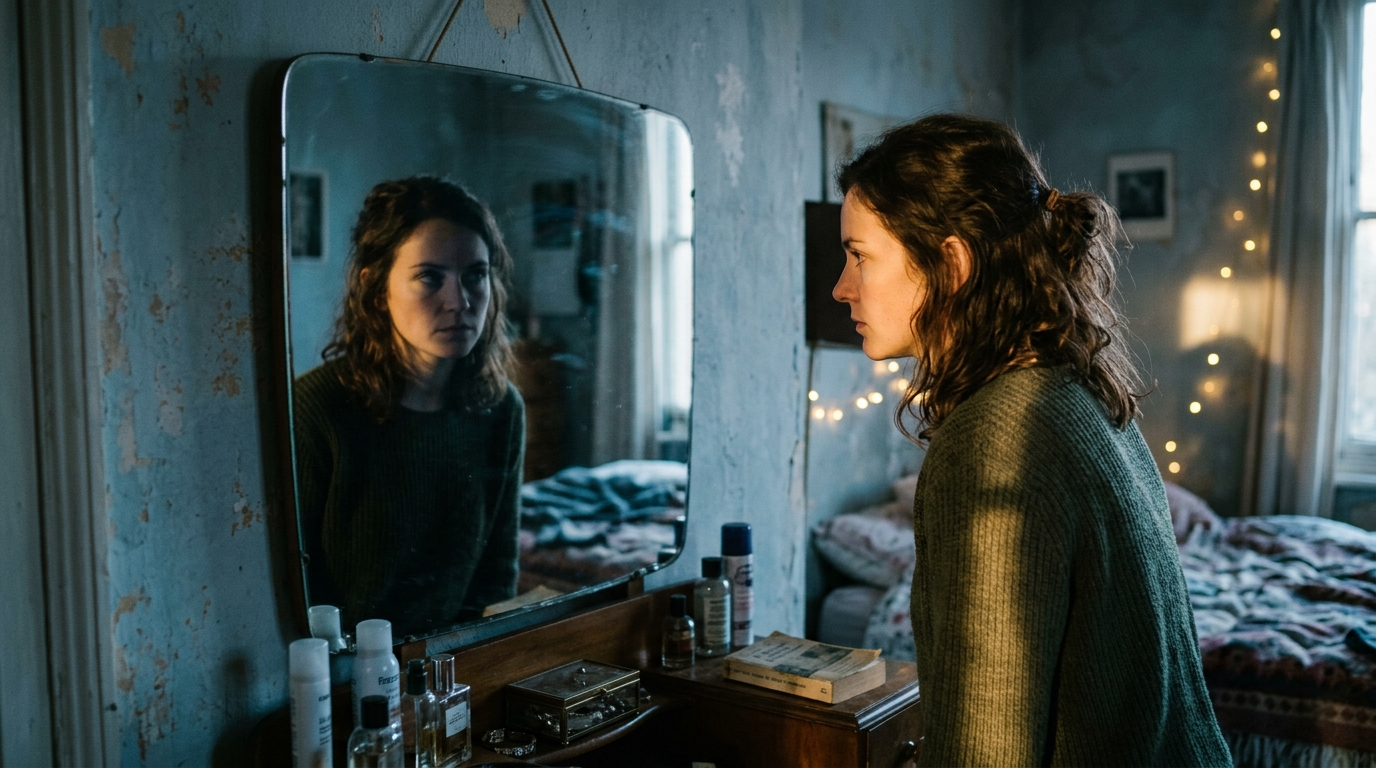
Autism masking, sometimes called camouflaging, is the constant and largely invisible work of hiding autistic traits so they go unnoticed. Forcing eye contact that never feels natural. Mirroring the tone and gestures of whoever’s in the room. Holding back a stimulus that wants to happen. Running a conversation through in your head before it starts, just in case.
Women and girls tend to do far more of this than men and boys do, and that’s a large part of why so many go unrecognized for decades. Years of it tend to end in burnout, anxiety that won’t ease off, and a particular kind of loneliness that comes from being around people constantly while rarely feeling actually seen.
Noticing autism masking for what it is can be the turning point. From there, understanding opens up, and for some, so does the slow process of unmasking at whatever pace feels safe.


Autism Across the Lifespan: Girls and Adult Women
The picture keeps changing with age. In childhood, autism in girls might look like being unusually quiet, sticking hard to rules, or being completely absorbed in one favorite subject, none of it loud enough to raise concern the way similar behavior in a boy might.
Autism in adult women tends to surface later, often once life gets demanding enough to strip away the coping strategies: a stressful job, becoming a parent, a burnout that refuses to lift.
The phrase high functioning autism in women turns up constantly in searches like this one, though most clinicians have moved away from it. “High functioning” implies a fixed level of ability, and that’s rarely how it actually works. Someone can look completely capable from the outside while barely holding things together underneath. However late the diagnosis comes, it can still bring relief, self-compassion, and a real sense of what kind of support might finally fit.
Getting an Assessment and Support at Start My Wellness
If this sounds familiar, whether it’s about you or someone close to you, an assessment can bring real clarity. It looks at developmental history and everyday life over time, not just one conversation. A diagnosis isn’t a label meant to box anyone in. It’s a starting point, one that opens the door to understanding and to support that actually fits.
Start My Wellness offers psychological testing and therapy with licensed clinicians for children, teens, and adults. Autism in women is something our team understands well, and that understanding shapes how evaluations and therapy are approached here. If you’re ready to get a clearer picture, scheduling a first appointment or calling 248-514-4955 is where to start.