
Ever tried explaining a relationship to a friend and the words came out sideways: “it’s complicated, but I still love them”? That confusion is more common than most people admit. Wanting to stay close to someone who also hurts you doesn’t mean your judgment is broken. It points to something more physiological. Intense highs followed by pain can wire a person to a relationship in ways that willpower alone rarely undoes. Love bombing and trauma bonding are two connected patterns behind that pull. What follows explains both, why the grip feels so strong, and where healing tends to start.
What Is Trauma Bonding?
Trauma bonding is the strong emotional attachment that forms toward someone who causes repeated harm, built through a cycle of mistreatment followed by affection, apology, or reconciliation. Psychology isn’t mysterious. Unpredictable rewards and punishments, what researchers call intermittent reinforcement, keep the brain hopeful for the next good moment. That hope can outweigh the memory of the hurt itself, which is part of why the pull feels so irrational from the outside and so real from the inside.
This isn’t only a romantic-relationship problem. It shows up in families, friendships, and even workplaces, anywhere someone alternates between warmth and cruelty long enough. Leaving feels hard, even once someone can name what’s happening, because trauma bonding reflects how attachment behaves under stress. Not a character flaw. Not poor judgment. A pattern the nervous system learned.
What Is Love Bombing?
Love bombing is an overwhelming display of affection, attention, and flattery early in a relationship, sometimes used, knowingly or not, to gain quick influence over someone. It can feel flattering. Thrilling, even. Someone finally seems to see you, choose you, want you without hesitation, and that kind of attention is genuinely hard to resist.
But is every whirlwind romance love bombing? Not necessarily. Plenty of relationships open with real excitement that eventually settles into something steady. The difference shows up later, in whether that affection stays consistent or turns conditional, withdrawn, or used as leverage when things don’t go the way the other person wants.


Signs and Examples of Love Bombing
Recognizing the pattern early makes it easier to protect yourself before the dynamic deepens. Common signs of love bombing include:
- Declarations of love or shared-future talk within days of meeting.
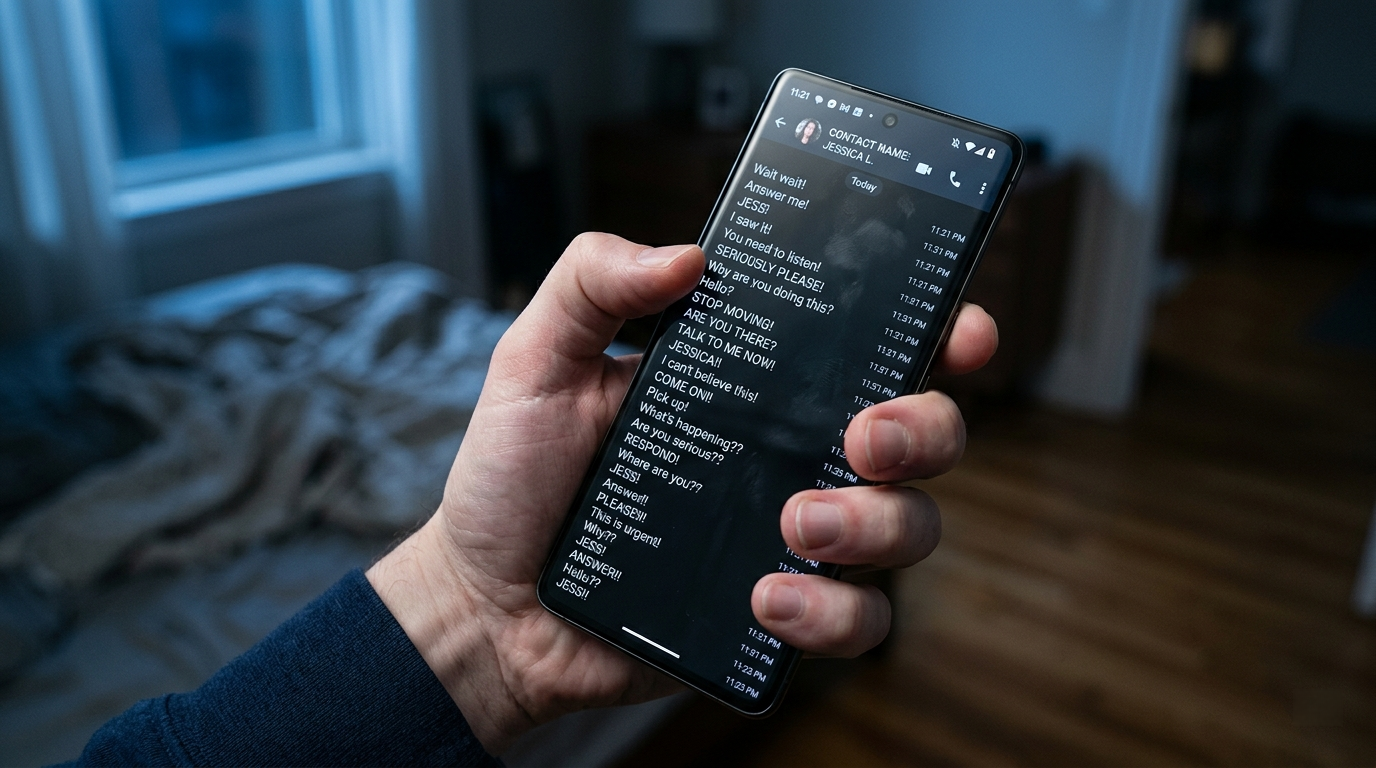
- Constant texting, with visible frustration if you don’t reply fast enough.
- Gifts or gestures that feel disproportionate to how long you’ve known each other.
- Pressure to rush intimacy or commitment before trust has had time to build.
- Wanting every free hour, and bristling at even a small boundary.
Love bombing examples tend to look like this: a new partner mapping out a future together after two dates, or someone who praises you constantly and then turns to guilt the moment you ask for space. The real warning sign isn’t any single grand gesture. It’s the shift that tends to follow it: adoration giving way to criticism, distance, or blame. Pay attention to how the relationship makes you feel over months, not how it felt on day one.
Why Do People Love Bomb?
Why do people love bomb? is a question worth sitting with, partly because the answer affects how someone processes their own experience afterward. Motives vary. Some people love bombs because they want control, and intensity is a shortcut to dependence. Others act from insecurity, fear of abandonment, or relationship patterns learned early, sometimes without full awareness of what they’re doing.
This is where narcissist love bombing tends to come up, since the tactic is closely associated with narcissistic personality patterns: idealizing a partner early, then devaluing them once attachment is established. Still, diagnosing someone from the outside rarely helps anyone. What matters more than motive is impact: how the relationship actually affects you. Understanding the why can ease self-blame, even when it changes nothing about what needs to happen next.
How Love Bombing Fuels a Trauma Bond
These two patterns rarely stay separate. A relationship often opens with love bombing: a rush of connection, the sense of having found something rare. Then the affection fades, gets replaced with criticism, or disappears altogether, and the person on the receiving end starts chasing that original high.
That chase, repeated, is what deepens a trauma bond. Idealizing. Devaluing. Occasional reconciliation, sometimes arriving in small doses right when someone is close to leaving. Intentional or not, the pattern functions to keep a person attached, which is exactly why willpower alone rarely breaks it. If these dynamics connect to patterns you recognize in yourself, our guide to anxious attachment covers how early relationship wiring shapes these responses.
How to Break a Trauma Bond
Naming the pattern out loud, even just to yourself, is usually where breaking free starts. A few things that tend to help:
- Building or leaning on a support network outside the relationship.
- Limiting or ending contact where it’s safe to do so, and keeping a written record of hurtful moments to counter the pull toward remembering only the good ones.
- Reconnecting with your own needs, preferences, and sense of self.
How to break a trauma bond is rarely a one-time decision. It happens in steps, often with setbacks, and that isn’t failure. That’s what real change looks like. One important note: leaving a manipulative or abusive relationship can be the most dangerous part of the process. If your safety feels at risk, focus on a safety plan first, and consider contacting a domestic violence hotline or a trusted professional before making any moves.
Therapy is one of the most effective tools in dismantling a trauma bond. The fawn response is one pattern that often develops alongside it, where people-pleasing becomes a survival strategy inside the relationship. Understanding that connection tends to shift how someone sees their own behavior during the relationship, and after it.
Heal and Rebuild With Start My Wellness
Recovering from a trauma bond takes time. It takes patience and support that doesn’t come with conditions attached. At Start My Wellness, we work with people on how to break a trauma bond means more than just leaving: it means processing what happened, rebuilding self-worth, and developing a clearer picture of what healthy connection actually looks like.
We offer individual therapy in person at our Ferndale clinic and online across Michigan. Scheduling a first session is a straightforward starting point, and there’s no expectation that you have everything figured out before you get there.