
There’s no script for grief. Some days it settles over you like a heavy fog that won’t lift. Other days it goes quiet, hides, and then shows up weeks later out of nowhere. There’s no tidy timeline for mourning and no single correct way to get through it. Loss isn’t only about death, either. It can follow a breakup, a diagnosis, or a life that just didn’t turn out the way you planned. Knowing the different types of grief won’t fix the pain, but it can make your reactions feel less strange and less like proof that something’s wrong with you.
What Is Grief, and Why Does It Vary?
Grief is a natural response to loss. What’s less obvious is how it shows up: not just sadness, but scattered thinking, exhaustion, a changed appetite, maybe behavior that doesn’t quite feel like you anymore. How hard it hits, and how long it lasts, depends on who or what was lost, the circumstances, your personality, your culture, and the support you have around you. There’s no correct order to any of it and no schedule to keep pace with. Understanding the types of grief isn’t really about labeling yourself. Think of it more as giving yourself room to work through something genuinely hard.


Anticipatory and Delayed Grief
Grief doesn’t always wait for the loss to happen first.
Anticipatory grief starts before the ending does. A loved one gets a terminal diagnosis, or someone senses quietly, before anyone says it out loud, that a relationship or a whole chapter of life is closing. Sadness and anxiety show up early, and often a strange kind of guilt tags along, like grieving ahead of time somehow means giving up on hope. It doesn’t. Feeling this way while someone is still right there with you is a normal response to something you can already see coming, whether you want to or not.
Delayed grief runs the opposite direction. Instead of hitting right away, it waits sometimes because a person is buried in funeral arrangements and paperwork. Sometimes because they’re holding things together for other people who need them to. Sometimes the mind goes numb at first, almost as a kind of protection. Then, months or years later, sometimes over something that seems completely unrelated – a song on the radio, a certain smell, an anniversary nobody marked on the calendar – the grief finally surfaces. A delayed reaction doesn’t mean someone cared less. It just means the feelings took longer to find a safe way in.
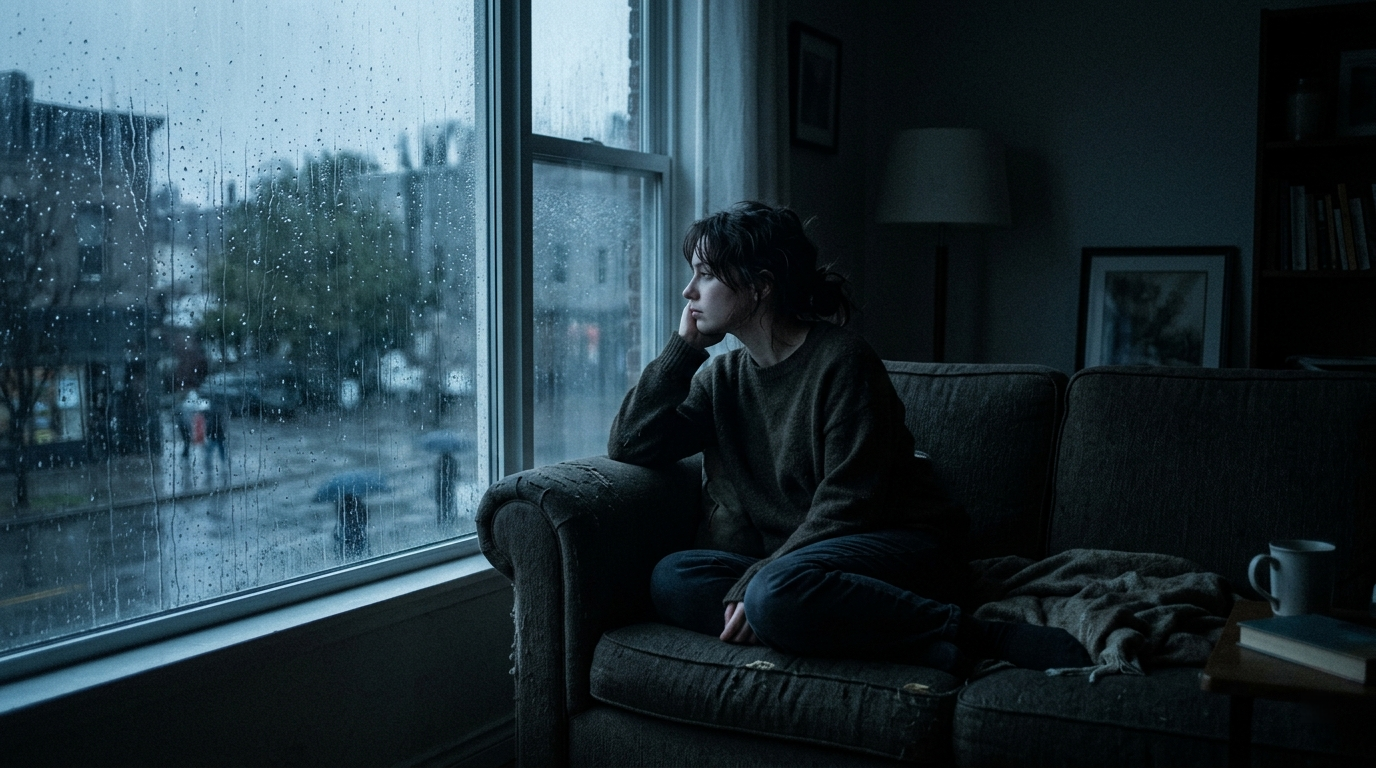
Prolonged Grief Disorder and Complicated Grief
For most people, the sharpest part of grief softens with time. Not gone, exactly, but different: something a person learns to live alongside rather than underneath. For others, that softening doesn’t come.
Prolonged grief disorder is the clinical term for when intense grief drags on well past what’s typical and starts seriously interfering with daily life, including work, relationships, and basic functioning. Complicated grief is a closely related term, often used when grief gets stuck. Constant longing for the person who’s gone. Real trouble accepting that the loss happened at all. A sense of being unable to move forward no matter how much time passes.
None of that means someone is weak or doing grief wrong. It usually means the grieving process needs more support than it’s currently getting. If any of this sounds familiar, grief counseling is worth considering. A trained professional can help sort out what’s happening and build a path forward.
Disenfranchised Grief
Some losses never get acknowledged out loud. No funeral. No casserole at the door. Nobody offering condolences, just a private ache that other people don’t notice or don’t take seriously. That’s disenfranchised grief, and it tends to leave people feeling strangely alone with something that’s actually quite heavy.
A few situations where this tends to show up:
- Losing a pet, which some people still dismiss as “just an animal”.
- Miscarriage, infertility, or a pregnancy loss others never knew about.
- The end of a relationship, an estrangement, or grieving an ex-partner.
- Mourning someone whose relationship to you was complicated, hidden, or never publicly recognized.
When the people around you don’t see a loss as significant, the grief attached to it can feel almost invisible. That invisibility is what makes it harder to process. These losses are real. They deserve care, whether or not anyone else fully grasps what they meant.
When Grief Becomes Too Much to Carry Alone
Sometimes it’s hard to tell when ordinary grief has crossed into something that needs outside help. A few signs worth paying attention to:
- The pain stays overwhelming for a long stretch without any real easing.
- It disrupts sleep, eating, work, or close relationships consistently.
- You feel stuck and unable to function, like you’re caught in the same loop.
- A deep hopelessness settles in and won’t lift.
None of these types of grief patterns are a diagnosis on their own. They’re a reason to consider reaching out, nothing more dramatic than that. And if you ever feel like you can’t go on, or find yourself thinking you don’t want to be here anymore, please contact a mental health professional or crisis line immediately. Asking for that kind of help isn’t giving up. If anything, it’s one of the stronger moves a person can make.
Grief Counseling and Support at Start My Wellness
Whatever shape your grief has taken, sudden, delayed, disenfranchised, or dragging on longer than you ever expected, you don’t have to carry it alone. Grief counseling gives you a steady place to work through loss on your own timeline, without pressure to “move on” by some date that was never yours to begin with.
At Start My Wellness, licensed clinicians with experience in grief and loss work with individuals and families to help ease that weight. We offer grief counseling in person at our Ferndale clinic and through online therapy. When you’re ready, scheduling a first session takes about five minutes, and there’s no pressure to have it all figured out before you get there.